
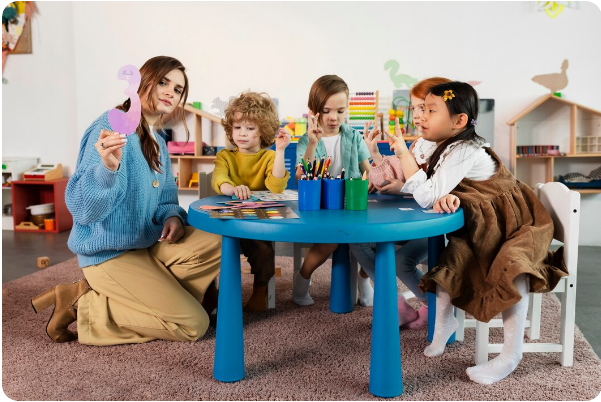
Starting nursery is a major milestone for both children and parents. A structured settling-in nursery program with effective transition tips can make this experience positive, reduce anxiety, and set the foundation for happy learning. At Smart Kids Day Nursery, a trusted nursery in Peckham, we focus on careful orientation, parent involvement, and observation to ensure every child feels safe, supported, and confident from day one.
Transitioning into a nursery environment requires thoughtful planning. Young children may feel nervous about unfamiliar routines, new surroundings, and temporary separation from caregivers. Using proven settling-in nursery strategies helps children adjust both emotionally and socially while building trust with nursery staff. This guide provides practical advice for nursery teams and parents, offering a step-by-step workflow for a smooth, stress-free start.
Why Settling-In Sessions Are Important
Settling-in sessions give children the chance to explore their new environment gradually. These sessions are carefully structured to:
- Reduce separation anxiety
- Familiarise children with routines, staff, and the nursery environment
- Encourage early social interaction with peers
Structured orientation sessions also allow nursery staff to observe children’s behaviour, needs, and preferences. This helps tailor support for each child’s development. For parents, these sessions build confidence in the nursery’s approach and encourage active parent involvement during the transition. Research shows that children who experience a well-planned settling-in period are more likely to adapt quickly, engage in learning, and form secure attachments with caregivers.
Step 1: Orientation and Familiarisation
The first step in any settling-in nursery process is orientation. This includes welcoming children and parents, introducing them to the nursery environment, and showing daily routines. At Smart Kids Day Nursery, a trusted day nursery in Peckham, parents may initially stay with their child during short sessions while staff guide them through play areas, meals, and rest routines.
Orientation helps children feel safe and confident, making separation easier. It also allows staff to share nursery policies, daily schedules, and expectations with parents, ensuring clear communication and trust.
Step 2: Gradual Transition and Short Sessions
A gradual approach is essential for reducing anxiety. Starting with shorter sessions and slowly increasing duration helps children adjust at their own pace. For example:
- Day 1: 30 minutes with parent present
- Day 2–3: Parent nearby but not directly involved
- Day 4–5: Independent play with staff support
This phased approach allows children to build confidence while forming attachments to staff. Short, positive sessions are far more effective than long, overwhelming first days.
Step 3: Parent Involvement and Communication
Parent involvement is critical for a successful transition. Open communication keeps parents reassured and involved while supporting the child’s adjustment. At Smart Kids Day Nursery, we provide:
- Daily updates on children’s activities and progress
- Photos and communication journals
- Opportunities for parents to share routines, preferences, and triggers
Active collaboration between staff and parents strengthens relationships, ensures consistency, and supports positive meal habits and emotional well-being.
Step 4: Supporting Emotional and Social Adjustment
Children need emotional support while settling into a new environment. Staff observe children closely to notice signs of stress, anxiety, or shyness. Effective strategies include:
- Encouraging peer interactions through guided play
- Providing comfort objects from home, such as a favourite toy or blanket
- Maintaining predictable routines for a sense of security
Supporting emotional adjustment fosters resilience, confidence, and positive relationships with both staff and peers, essential for a happy start at a nursery in Peckham.
Step 5: Tailoring the Settling-In Process
Every child is unique. Nursery staff should adapt settling-in nursery strategies to meet individual needs. Some children may require longer sessions or extra reassurance, while others adjust quickly. Flexibility, observation, and regular communication with parents ensure a smooth, personalised transition.
Step 6: Integrating Routine and Play-Based Learning
Once children feel secure, settling-in nursery sessions should gradually incorporate daily routines and play-based learning. Structured activities like storytelling, group play, and sensory experiences help children explore, learn, and form friendships. Play-based learning supports cognitive, social, and language development, encouraging curiosity and a love of learning from the very first days at nursery.
Step 7: Using Observation and Feedback
Observation is key to monitoring progress. Staff document behaviour, preferences, and achievements to refine care strategies and provide parents with valuable insights. Regular feedback allows nurseries to celebrate small successes and address challenges early, reinforcing a smooth transition and building trust between parents and staff.
Observation and feedback tips:
- Track how children engage with routines and peers
- Note individual preferences, anxieties, and strengths
- Share daily progress with parents to maintain consistency
Common Mistakes to Avoid During Nursery Transitions
- Rushing the settling-in period or skipping orientation
- Ignoring parent involvement and feedback
- Overlooking individual child needs or signs of anxiety
- Inconsistent routines that confuse children
Avoiding these pitfalls ensures a positive, confident, and stress-free start to nursery life.
Final Thoughts
Implementing a structured settling-in nursery program with effective transition tips helps children feel secure, confident, and ready to engage in learning. At Smart Kids Day Nursery, a leading nursery in Peckham, we focus on orientation, parent involvement, emotional support, and tailored strategies to help every child adjust smoothly while strengthening family partnerships.
For more information on day nursery Peckham routines, early learning strategies, or settling-in programs, contact us to discover how we support happy, confident children every day.
FAQs
- How long does the settling-in period usually last?
Most nurseries gradually increase session times over 1–2 weeks, though some children may need extra support depending on individual needs - What is the role of parents during settling-in sessions?
Parents provide comfort, share insights about routines, and collaborate with staff to create a consistent and reassuring environment. - Can all children adapt at the same pace?
No. Each child is unique. Some may adjust quickly, while others require shorter sessions or additional reassurance. - How can nurseries reduce separation anxiety?
Gradual sessions, predictable routines, emotional support, and familiar objects from home help children feel safe and secure - Why is observation important during the transition?
Observation allows staff to identify needs, track progress, and tailor support, ensuring each child experiences a confident and positive start.