
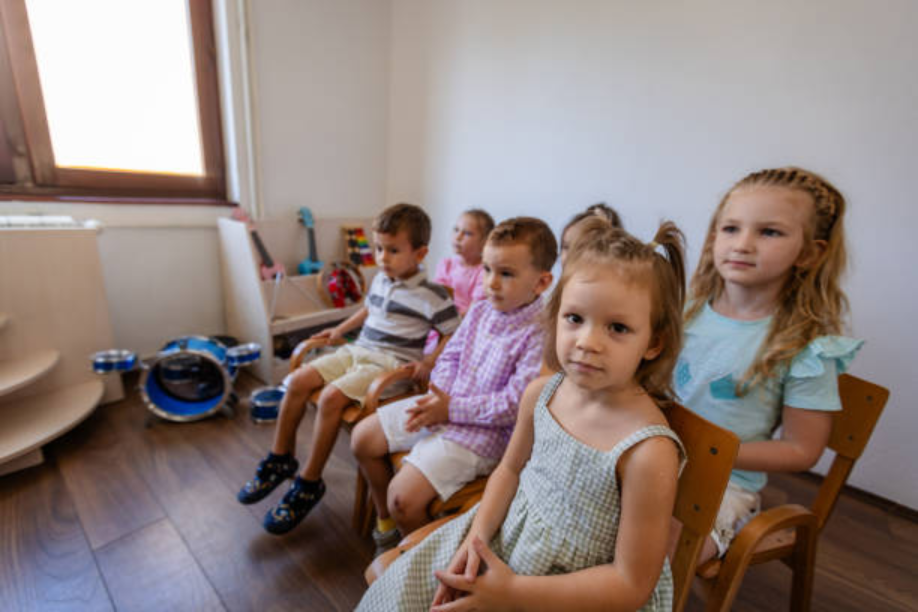
Safety is central to every early years environment. Children thrive when they feel secure, supported and understood. The combination of well-designed safety practices and clear behaviour policies helps maintain stability and trust throughout a child’s day. These frameworks are not solely procedural; they reflect deeper childcare values that guide how adults interact with children, manage the environment and respond to everyday situations.
This article explores how nurseries build strong systems around Child Safety And Security, why behaviour policies matter and how environments such as smart kidsday nursery bring these principles to life. It also highlights how communication, preparation and shared responsibility contribute to a safe and nurturing experience for every child.
Why Structured Policies Matter in Early Years Settings
Policies provide a clear roadmap for how safety and behaviour should be managed. Without structure, responses could become inconsistent or unclear, creating confusion for staff, children and families.
Benefits of Structured Policies
- Predictable routines that help children feel comfortable
- Clear expectations for behaviour
- Enhanced safeguarding responsiveness
- Stronger teamwork among staff
- Improved communication with parents
When policies are consistently applied, children experience stability, which supports emotional wellbeing.
Understanding Child Safety And Security in Nurseries
Child Safety And Security goes beyond supervising children. It includes physical safety, emotional safety and protection from harm in all its forms.
Physical Safety
- Safe equipment
- Secure entry and exit points
- Child-appropriate furnishings
- Daily hazard checks
Emotional Safety
- Respectful relationships
- Predictable routines
- Support for feelings
- Calm conflict resolution
Protective Safeguarding Measures
- Clear reporting systems
- Staff trained in recognising risks
- Confidential information handling
Nurseries such as smart kidsday nursery integrate these layers into every part of daily practice.
Childcare Values That Shape Daily Practices
Values influence how decisions are made, how staff interact with children and how communities work together.
Core Childcare Values Include:
- Respect for each child
- Encouragement of independence
- Compassionate communication
- Consistent boundaries
- Cooperation with families
These values underpin both safety and behaviour expectations.
How Smart Kidsday Nursery Implements Clear Behaviour Policies
Behaviour policies ensure fair, consistent responses that help children understand boundaries.
Key Principles in Behaviour Policies
- Using positive reinforcement
- Acknowledging emotions
- Redirection rather than punishment
- Encouraging problem-solving
- Considering developmental stages
In early childhood settings, behaviour policies are not about control but about teaching. They show children how to communicate, share and resolve conflicts in safe ways. A nursery such as smart kidsday nursery uses these approaches to support a calm, respectful atmosphere.
Key Components of a Comprehensive Safety Framework
Safety frameworks combine several interconnected procedures.
Components Include:
- Safeguarding protocols
- Staff training
- Emergency plans
- Health and hygiene standards
- Supervision ratios
- Visitor policies
Consistency across all components strengthens a nursery’s ability to protect children.
Supporting Positive Behaviour Through Guidance
Children learn behaviour through repetition, observation and adult modelling.
Guidance Strategies
- Explaining rules in simple language
- Offering choices instead of demands
- Using positive phrasing
- Encouraging turn-taking
- Creating routines that support predictability
Positive guidance teaches children how to manage emotions constructively while feeling safe.
Staff Training and Professional Responsibilities
Effective safety and behaviour policies depend on knowledgeable, attentive staff.
Training Areas
- Safeguarding awareness
- First aid
- De-escalation techniques
- Communication with families
- Environmental risk assessment
Continuous training ensures that children receive care anchored in competence and awareness.
Managing Risk Assessments and Daily Safety Checks
Risk assessments help nurseries identify hazards before they affect children.
Daily Checks May Include:
- Playground inspections
- Equipment stability
- Temperature checks for food and water
- Cleanliness of bedding and play materials
- Emergency exits unobstructed
These checks support everyday Child Safety And Security.
Communication With Parents and Collaborative Approaches
Parents are essential partners. Transparent communication strengthens trust between home and nursery.
Communication Methods
- Daily feedback
- Scheduled meetings
- Written reports
- Email updates
- Clear explanations of policies
Working together builds a consistent framework across both settings.
How the Physical Environment Enhances Safety
The environment itself contributes to children’s wellbeing.
Features of Safe Environments
- Rounded furniture edges
- Secure storage for hazardous materials
- Soft-play areas
- Clearly marked emergency exits
- Designated quiet zones
A well-designed space helps children explore with confidence.
Safety vs Autonomy: Helping Children Learn Independence
Striking a balance between guidance and independence supports healthy development.
Encouraging Autonomy
- Allowing children to tidy their own play areas
- Encouraging self-serving at mealtimes
- Supporting problem-solving during small conflicts
- Providing choices in activities
Autonomy encourages responsibility while still maintaining supervision.
Responding to Incidents Calmly and Consistently
Incident response requires calmness, accuracy and follow-up.
Steps in Incident Handling
- Ensuring immediate safety
- Documenting the event
- Informing relevant staff and families
- Reviewing policies if needed
- Supporting the child emotionally
A consistent approach reassures both children and parents.
Safety Policies vs Behaviour Policies
| Category | Safety Policies | Behaviour Policies |
| Focus | Protection from harm | Encouraging positive behaviour |
| Includes | Risk assessments, safeguarding, environment checks | Emotions, communication, boundaries |
| Goal | Prevent injury and ensure wellbeing | Teach social skills and cooperation |
| Tools Used | Procedures, inspections, staff training | Positive guidance, modelling, routines |
| Outcome | Secure environment | Calm, respectful interactions |
Together, both policy types create a strong, child-centred foundation.
How a Nursery in Peckham Engages Community Safety Awareness
A Peckham nursery often collaborates with community partners to enhance safety understanding.
Community Engagement Activities
- Local safety workshops
- Visits from community officers
- Shared local transport safety advice
- Parent information sessions
These community connections reinforce children’s understanding of safe behaviour.
Digital Safety and Safeguarding in Modern Nurseries
Modern childcare settings include digital tools for communication, learning and documentation. Digital safety is now part of safeguarding.
Digital Safety Measures
- Secure data storage
- Password-protected communication platforms
- Controlled device access
- Staff training on information handling
Protecting information is an important extension of overall safety practices.
FAQ
1. Why are behaviour policies important in early years settings?
They create consistent expectations, helping children understand boundaries in a calm, supportive environment.
2. What does Child Safety And Security include?
It includes physical protection, emotional wellbeing, safeguarding routines and secure environments.
3. How are parents involved in safety policies?
Parents receive clear communication, updates and opportunities to discuss concerns, ensuring shared responsibility.
4. Do nurseries complete daily safety checks?
Yes. Daily inspections ensure equipment, environments and routines remain hazard-free.
5 .What if a child struggles with behaviour expectations?
Staff use positive guidance, modelling and supportive strategies without punitive approaches.
Conclusion
Safety and behaviour policies form the foundation of a dependable early years environment. They ensure children feel secure, respected and supported while learning essential social and emotional skills. Through structured procedures, consistent routines and strong communication with families, smart kidsday nursery maintains high standards of Child Safety And Security. These approaches also reflect meaningful childcare values that guide the nursery’s daily practice. Families seeking more information about these frameworks can visit the official website or contact us for further clarity.