
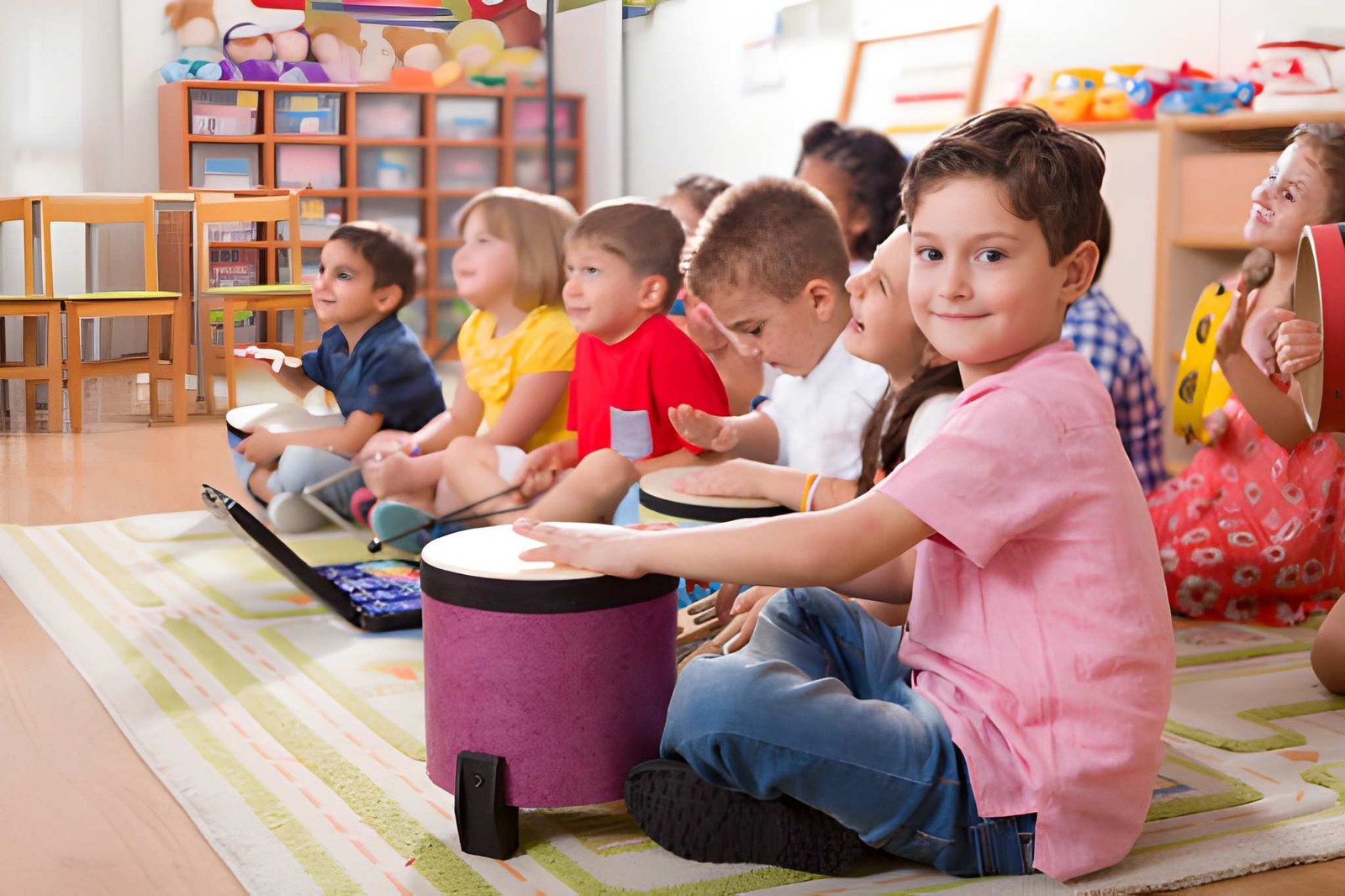
Early childhood is one of the most important stages of learning and development. During these years, children begin building communication skills, emotional awareness, confidence, creativity, and social understanding. Activities such as music, art, and play are not simply forms of entertainment. They are powerful educational tools that help shape cognitive and emotional growth in young learners. Parents searching for enriching environments that support creativity and early learning often look for trusted educational programs that combine structured care with engaging experiences, including music lessons for children in peckham that encourage confidence, rhythm, and communication skills from an early age. For families exploring high-quality childcare and development opportunities, Smart Kids Day Nursery provides a nurturing environment focused on helping children learn through creativity, interaction, and exploration.
Children naturally learn best when they feel curious, engaged, and emotionally secure. Creative activities encourage children to express themselves while developing problem-solving abilities and confidence. These experiences also help young learners adapt to group environments and prepare for future education.
Why Creative Activities Matter in Early Childhood
Creative learning experiences stimulate multiple areas of a child’s development at the same time. Music, art, and imaginative play support communication, motor coordination, emotional regulation, and social interaction.
Unlike passive learning methods, creative activities actively involve children in the learning process. Through singing, drawing, storytelling, and pretend play, children begin understanding how to communicate ideas, solve problems, and interact with others.
Parents searching for a pre school near me often prioritize nurseries that include creative learning opportunities because these activities help children become more confident and socially comfortable before entering primary school.
The Role of Music in Child Development
Music plays a major role in helping children develop listening skills, memory, concentration, and language abilities. Singing songs, learning rhythms, and participating in musical games help children strengthen cognitive pathways while encouraging self-expression.
Young children exposed to music regularly often improve their:
- Vocabulary and communication skills
- Memory and listening abilities
- Emotional expression
- Coordination and rhythm
Music also creates a positive learning atmosphere where children feel relaxed and motivated to participate.
Parents looking for music lessons for children in peckham often value programs that combine learning with enjoyment. Early musical exposure helps children build confidence while supporting social interaction and teamwork.
For families interested in structured musical learning opportunities, Music Lessons for Children provides information about music-based educational experiences designed for young learners in supportive nursery settings.
How Art Encourages Emotional and Cognitive Growth
Art activities encourage children to explore creativity while improving fine motor skills and emotional expression. Drawing, painting, coloring, and crafting allow children to communicate feelings and ideas even before they fully develop verbal communication skills.
Creative art experiences also support:
- Hand-eye coordination
- Problem-solving skills
- Concentration and patience
- Confidence and independence
Children often feel proud when completing creative projects, which strengthens self-esteem and motivation.
Art also teaches children that there is no single “correct” way to express themselves. This freedom encourages imagination and flexible thinking from an early age.
Why Play is Essential for Learning
Play is one of the most important components of early childhood development. Through play, children learn how to cooperate, negotiate, explore, and understand the world around them.
Different forms of play support different developmental areas. Physical play improves coordination and balance, while imaginative play encourages creativity and communication. Group play helps children understand sharing, empathy, and teamwork.
Children often absorb educational concepts more effectively when learning feels enjoyable rather than overly structured. This is why many high-quality nurseries integrate play-based learning into daily routines.
Parents preparing children for nursery transitions can also benefit from guidance on emotional readiness and early learning environments. Preparing Your Child for Nursery provides useful insights into helping children feel comfortable and confident during their first nursery experiences.
Combining Creativity and Early Education
Modern nursery education increasingly focuses on combining structured learning with creativity. Children learn more effectively when educational activities include movement, storytelling, music, and interactive experiences.
The table below highlights how different creative activities support child development.
| Creative Activity | Developmental Benefits |
| Music and Singing | Language, memory, confidence |
| Drawing and Painting | Creativity, motor skills |
| Group Play | Social interaction, teamwork |
| Storytelling | Communication, imagination |
| Dance and Movement | Coordination, self-expression |
This balanced approach helps children remain engaged while building important academic and emotional skills.
The Importance of Daycare Values in Child Development
Strong daycare values create the emotional foundation children need in order to thrive. A nurturing nursery environment encourages curiosity, confidence, kindness, and emotional safety.
Parents evaluating nurseries often look for settings that prioritize:
- Respectful communication
- Emotional support
- Inclusivity and diversity
- Safe learning environments
- Positive social interaction
Children who feel emotionally secure are more likely to participate confidently in creative activities and classroom experiences.
A supportive nursery atmosphere also helps children develop resilience and stronger relationships with peers and caregivers.
How Language and Music Work Together
Language development and music are closely connected during early childhood. Songs, rhythm exercises, and musical repetition help children recognize sounds, patterns, and pronunciation more effectively.
Children exposed to multiple languages through music and interactive activities may also improve listening and communication flexibility.
For families interested in expanding early language learning opportunities, Mandarin Classes for Children provides information about language-focused educational experiences that complement creative and cognitive development.
Combining music with language learning often creates a more engaging and memorable educational experience for young children.
Supporting Social Skills Through Group Activities
Music, art, and play also help children develop important social skills. Participating in group activities teaches children how to cooperate, communicate, and build friendships.
In nursery settings, group learning experiences encourage children to:
- Share materials and space
- Listen to instructions
- Express emotions appropriately
- Work together on creative tasks
These early social interactions are essential for helping children feel comfortable in classroom environments as they grow older.
Parents searching for a pre school near me frequently value nurseries that encourage positive social development alongside academic learning.
Choosing the Right Nursery Environment
The nursery environment plays a major role in how children respond to creative learning opportunities. A well-designed nursery should provide safe spaces for movement, exploration, and self-expression while maintaining supportive daycare values.
Parents often evaluate nurseries based on:
- Staff qualifications and experience
- Learning philosophy
- Creative learning opportunities
- Emotional support systems
- Safety and cleanliness
Choosing a nursery that integrates music, art, and play into daily learning routines can significantly benefit a child’s emotional and cognitive development.
Long-Term Benefits of Creative Learning
The benefits of creative early education continue long after nursery years end. Children exposed to music, art, and play-based learning often develop stronger communication abilities, greater confidence, and improved emotional awareness.
Creative experiences may also contribute to:
- Better problem-solving skills
- Increased adaptability
- Improved concentration
- Higher self-confidence
- Stronger social relationships
Music lessons for children in peckham and similar creative educational programs help establish positive learning habits that can support children throughout their academic journey.
Final Thoughts
Music, art, and play are essential parts of healthy early childhood development. These creative experiences help children build confidence, communication skills, emotional awareness, and social understanding while making learning enjoyable and engaging.
Families searching for music lessons for children in peckham often recognize the value of combining creativity with structured early education. Strong daycare values and supportive nursery environments also play an important role in helping children feel emotionally secure as they explore and learn.
By encouraging creativity from an early age, nurseries help children develop the skills, confidence, and curiosity needed for long-term educational success and personal growth.
Give your child a creative and confident start through music, art, and play-based learning, speak with our nursery team and enrol today.
FAQs
- Why are music lessons important for young children?
Music lessons help children improve communication, memory, coordination, and emotional expression while building confidence and listening skills.
- How does art support early childhood development?
Art encourages creativity, fine motor development, concentration, and emotional expression in young learners.
- Why is play-based learning effective in nurseries?
Play-based learning helps children develop social, emotional, and cognitive skills in an engaging and enjoyable way.
- What should parents look for in a creative nursery environment?
Parents should look for supportive daycare values, experienced staff, safe facilities, and programs that include music, art, and interactive learning activities.
- How do nursery music lessons in Peckham benefit children?
Nursery music lessons peckham programs support communication, teamwork, rhythm, and confidence while making learning enjoyable for children.