
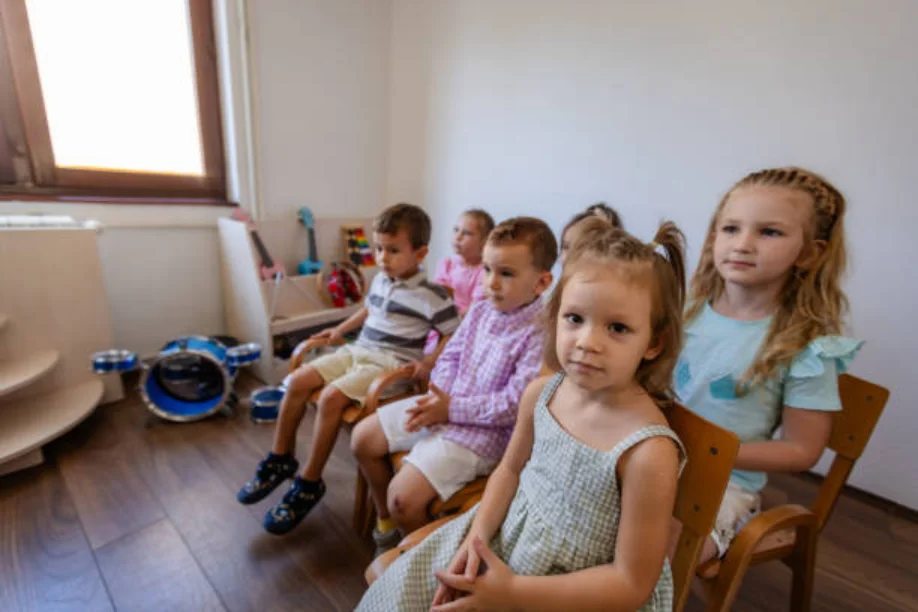
Choosing the right nursery is an important decision for parents who want their child to feel safe, supported, and encouraged to learn. At Smart Kids Day Nursery, the focus is on creating a modern childcare environment where children can develop through play, learning and positive relationships. For families looking for a Peckham nursery, understanding what makes a setting different can help when deciding where a child should spend their early years.
What Does a “Smart” Nursery Really Mean?
Being a smart nursery is not simply about having modern rooms, attractive toys or the latest equipment. It is about taking a thoughtful approach to how young children learn, develop and interact with the world around them.
Children have different personalities, interests and learning styles. A modern nursery should recognise these differences and create opportunities for children to explore at their own pace while receiving appropriate support from experienced staff.
At Smart Kids, the idea of being “smart” is connected to creating meaningful experiences for children. Everyday activities can become opportunities to develop communication, independence, confidence, creativity and social skills.
A Modern Approach to Early Years Learning
Young children learn best when they are interested and actively involved. Instead of expecting children to sit and absorb information, modern childcare approaches often use play, exploration and practical experiences to encourage development.
Activities can introduce children to concepts such as numbers, language, colours, shapes and problem-solving in ways that are appropriate for their age.
Play can also help children develop important social skills. Working together, sharing resources and communicating with other children can help them understand relationships and build confidence.
For parents researching a Peckham nursery, it is worth asking how learning is incorporated into the daily routine. A strong early years environment should provide a balance between planned activities and opportunities for children to follow their own interests.
Creating a Safe and Secure Environment
Children need to feel safe before they can confidently explore their surroundings. Safety is therefore an important part of any nursery’s approach to childcare.
A modern nursery should have clear procedures for managing visitors, arrivals and collections, as well as appropriate supervision throughout the day. Staff should also understand how to respond to emergencies and protect children’s wellbeing.
Parents can learn more about the approach to child safety and security when considering the practical measures that help create a secure nursery environment.
Safety is not only about physical security. Children also need emotional security. Friendly staff, familiar routines, and supportive relationships can help children feel comfortable and confident in their surroundings.
Learning Through Everyday Experiences
Children do not only learn during structured educational sessions. Everyday experiences can also support their development.
Getting ready for lunch can encourage independence. Tidying up can introduce responsibility. Talking about an activity can support language development. Playing with other children can help develop communication and social skills.
This is one reason why the nursery environment should provide a variety of experiences throughout the day. Children should have opportunities to explore, ask questions, experiment, and discover new interests.
A modern childcare approach recognises that development happens throughout the day rather than during one specific lesson.
Supporting Communication and Language
Communication is one of the most important areas of early childhood development. Children need opportunities to listen, speak, ask questions and express their feelings.
Staff can support language development through conversations, storytelling, songs, group activities and everyday interactions. These experiences can help children expand their vocabulary and become more confident communicators.
Reading can also play an important role. Stories introduce children to new words, ideas and situations while encouraging imagination.
Parents choosing a Peckham nursery should consider how much emphasis is placed on communication. A setting where adults actively engage with children can provide valuable opportunities for language development.
Food and Nutrition as Part of Childcare
Nutrition is another important part of a child’s nursery experience. Young children need balanced meals and snacks to support their growth, energy levels and development.
A nursery should have clear standards around food preparation, hygiene, allergies and dietary requirements. Parents should feel comfortable asking what their child will eat during the day and how individual requirements are managed.
Smart Kids places importance on healthy eating and age-appropriate nutrition. Parents can explore the nursery’s approach to food and nutrition standards to understand why food is an important part of a child’s overall wellbeing.
Mealtimes can also support development beyond nutrition. Children can learn to sit with others, try different foods, develop independence and practise simple social routines.
Encouraging Creativity
Creativity gives children a way to express themselves and explore new ideas. Art, music, drawing, construction and imaginative play can all contribute to a child’s development.
Creative activities do not always need a specific outcome. Giving children the freedom to experiment with different materials can encourage curiosity and confidence.
For example, a child might use building blocks to create a structure, turn simple objects into part of an imaginary game, or experiment with different colours during an art activity.
The role of nursery staff is to provide suitable resources and encouragement while allowing children to explore their own ideas.
The Importance of Outdoor Play
Outdoor play provides children with a different environment for learning and development. It allows them to move, explore, and experience activities that may not be possible indoors.
Physical play can support coordination, balance and gross motor skills. Outdoor environments can also encourage children to observe nature, interact with others and develop curiosity.
A good nursery should provide suitable opportunities for outdoor activity as part of its daily routine, taking account of children’s ages and abilities.
Outdoor play can also support imaginative development. A garden, play area or outdoor resources can become the setting for many different types of games and activities.
Building Independence and Confidence
One of the goals of early years childcare is to help children gradually become more independent.
Simple activities can give children opportunities to make choices and take responsibility. Choosing an activity, putting away toys, helping with simple routines or attempting tasks independently can all contribute to confidence.
Staff should provide support when needed without automatically doing everything for the child. This balance allows children to experience the satisfaction of completing tasks themselves.
Independence develops gradually, so activities should be appropriate to each child’s age and stage of development.
Working in Partnership with Parents
Nursery care works best when parents and staff communicate effectively. Parents know their children well, while nursery staff can provide observations about how children behave and develop in the nursery environment.
Regular communication can help both sides understand a child’s needs, interests and progress. Parents should have opportunities to ask questions and share relevant information.
A strong relationship between home and nursery can also make transitions easier. Consistency in routines and communication can help children feel more secure.
A Child-Centred Approach
A child-centred nursery recognises that children are individuals rather than simply members of an age group.
Two children of the same age may have completely different interests, personalities and development patterns. One may love storytelling, while another may prefer construction or outdoor play.
A modern approach should provide a broad range of activities so children can discover what interests them. Staff can observe these interests and use them to create further learning opportunities.
This approach can make learning feel more natural because children are more likely to engage with activities that connect to their interests.
Developing Social Skills
Nursery provides children with opportunities to interact with people outside their immediate family. These experiences can help children develop social skills that will remain valuable as they progress through school and beyond.
Children learn how to share, take turns, listen to others, and participate in group activities. They may also experience disagreements and learn, with adult support, how to resolve them.
Staff play an important role by modelling positive communication and helping children understand how their actions affect others.
These experiences can contribute to emotional development and help children become more confident when interacting with their peers.
Technology and Modern Childcare
Modern childhood takes place in a world where technology is increasingly common. However, technology should be considered carefully within an early years environment.
Young children still benefit enormously from physical play, conversation, books, creative activities and interaction with other people.
Where technology is used, it should have a clear purpose and be appropriate for children’s developmental stages. It should complement rather than replace hands-on experiences.
The wider aim should remain focused on helping children develop a broad range of skills through varied experiences.
What Makes a Nursery Feel Different?
Parents often notice the atmosphere of a nursery as soon as they walk through the door. The way staff communicate with children, the organisation of the rooms, and the overall environment can all influence how a setting feels.
When visiting a nursery, consider the following areas:
- How do staff interact with children?
- Are children encouraged to explore and make choices?
- Is the environment clean, organised and welcoming?
- Are there opportunities for indoor and outdoor learning?
- How does the nursery communicate with parents?
These observations can help parents understand whether a nursery’s approach matches what they want for their child.
Smart Kids and the Meaning of Modern Childcare
The word “smart” can mean many things when talking about early years education. It can mean being thoughtful about children’s individual needs, creating opportunities for exploration and making learning part of everyday experiences.
It can also mean recognising that children need more than academic preparation. They need confidence, communication skills, emotional support, independence and opportunities to develop relationships.
For families searching for a Peckham nursery, these broader aspects of childcare are worth considering alongside practical factors such as location, opening hours and fees.
Comparing Key Areas of Nursery Care
When visiting different nurseries, parents can use a simple comparison to help identify the setting that feels most suitable.
| Area | What Parents Can Look For | Why It Matters |
|---|---|---|
| Safety | Secure procedures and supervision | Helps protect children’s wellbeing |
| Learning | Age-appropriate activities | Supports development and curiosity |
| Staff | Positive interaction with children | Builds trust and emotional security |
| Nutrition | Balanced meals and clear allergy procedures | Supports healthy development |
| Outdoor Play | Regular opportunities for physical activity | Encourages movement and exploration |
| Communication | Regular parent updates | Supports partnership with families |
| Creativity | Art, music and imaginative activities | Encourages self-expression |
| Independence | Age-appropriate choices and responsibilities | Builds confidence |
A Nursery Focused on the Whole Child
Modern childcare should look beyond individual skills and consider the whole child. Physical development, communication, social interaction, emotional wellbeing, and early learning all work together.
A child who feels secure is more likely to explore. A child who feels confident is more likely to communicate. A child who is encouraged to ask questions is more likely to develop curiosity.
This is why the environment, staff and daily experiences all matter when parents are selecting a nursery.
Final Thoughts
What makes a nursery “smart” is not simply its facilities or appearance. It is the way it approaches children’s everyday experiences and creates opportunities for them to learn, explore and grow.
For families considering a Peckham nursery, Smart Kids offers an approach that places importance on safety, learning, nutrition, communication, creativity, independence and positive relationships. These areas can help create a childcare environment where children feel supported during their important early years.
Discover a modern approach to childcare designed to support your child’s early years. Find out more about Smart Kids Nursery.
Frequently Asked Questions
1. What makes Smart Kids a modern nursery?
A modern nursery focuses on more than basic childcare. It supports children’s development through play, communication, creativity, outdoor activities, independence, and positive relationships.
2. Why is safety important when choosing a nursery?
Children need a secure environment where they can explore confidently. Parents should understand the nursery’s procedures for supervision, security, visitors, collections, and emergencies.
3. How does nutrition support children’s development?
Balanced meals and snacks provide children with energy and nutrients needed for growth and development. Mealtimes can also encourage independence and positive social habits.
4. What should parents look for during a nursery visit?
Parents should observe staff interaction, cleanliness, safety, learning activities, outdoor opportunities, and the general atmosphere. It is also useful to ask about routines, communication and how children’s progress is supported.
5. Why is a child-centred approach important?
Every child develops differently. A child-centred approach allows staff to consider individual interests, abilities and needs while creating suitable opportunities for learning and development.